 |
| Picture by Andrea Strakova |
Showing posts with label Science. Show all posts
Showing posts with label Science. Show all posts
Friday, 21 October 2016
Scientists gain insights into oldest cancer that's spread through dogs
A contagious form of cancer that can spread between dogs during mating has highlighted the extent to which dogs accompanied human travellers throughout our seafaring history. But the tumours also provide surprising insights into how cancers evolve by ‘stealing’ DNA from their host.

New App could help with quicker Cancer Diagnosis
A clinical support app, pioneered in Cambridge can now help doctors worldwide to determine the ideal course of patient treatment after breast cancer surgery. The Predict breast treatment tool is a mathematical model already used by doctors online. Now a new app could provide quick and easy access for medical providers.

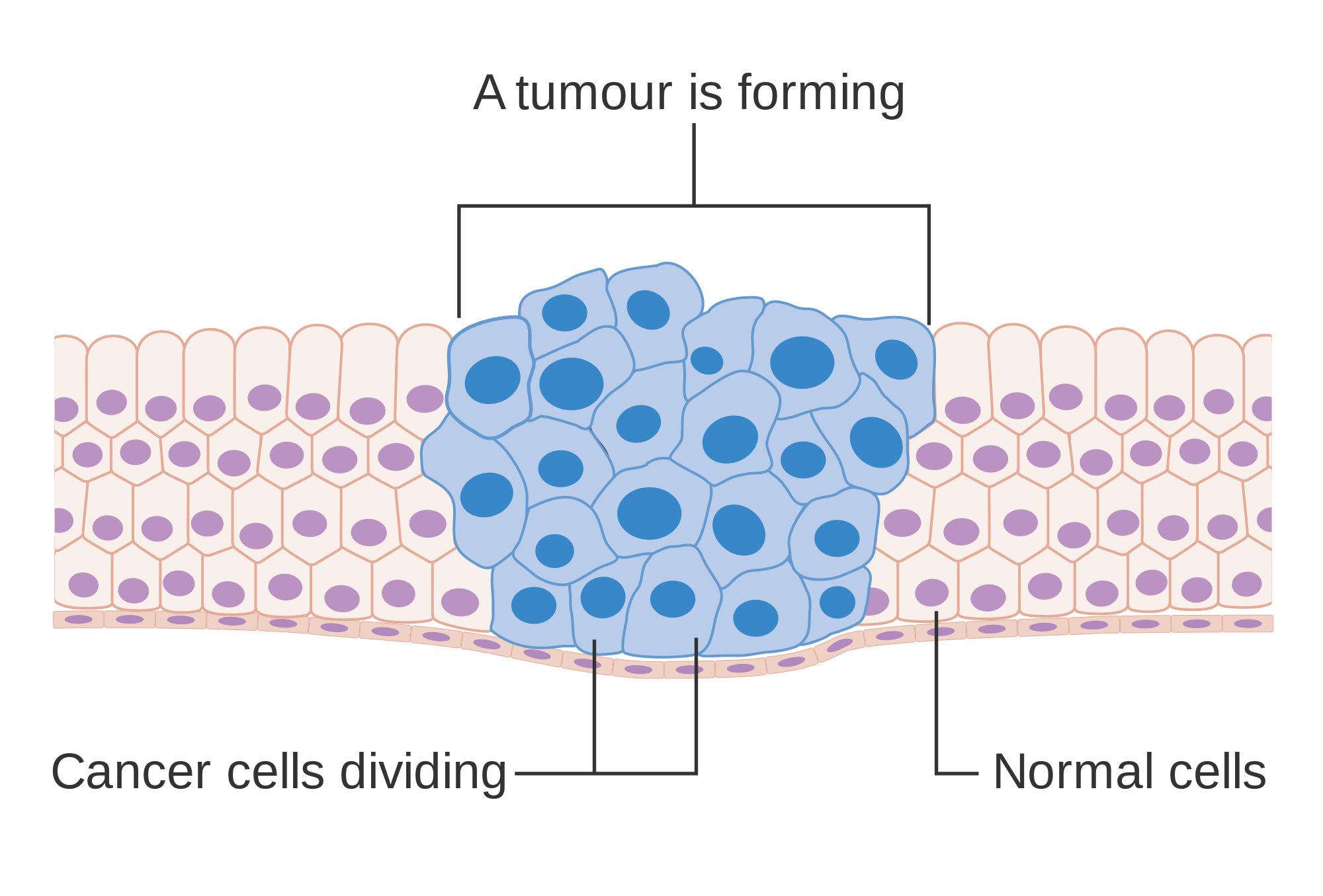
How our immune systems can fight back against tumour cells
Cambridge researchers have discovered how cancerous tumours protect themselves from an attack from the body’s immune system. The Babraham Institute is now working with American researchers to find out how it can prepare cancer patient’s immune systems to fight back.
Saturday, 15 October 2016
New technology for treating malaria infected blood could save lives in sub-Saharan Africa
Transfusing blood to patients in sub-Saharan carriers a high risk of transmitting malaria, especially to young children. But now a technology has been developed to treat donated blood with Vitamin B and UV radiation. This is down to a collaboration between the Komfo Anokye Teaching Hospital in Kumasi, Ghana and the Department of Haemotology at the University of Cambridge:


Thursday, 29 September 2016
Scientists find quicker way of testing cancer cures
Cambridge Scientists have discovered a new way to test hundreds of cancer drugs quickly, cutting the time it could take to find breast cancer treatments. The new technique uses human tumour cells, grown in mice, which give an accurate representation of how cancer spreads. Cancer Research UK hope it could replace the current method of growing cells in the lab.


Wednesday, 28 September 2016
Astronomers closer to understanding Dark Matter
Cambridge researchers have detected two massive holes which have been ‘punched’ through a stream of stars just outside the Milky Way. They’re thought to be caused by clumps of dark matter, which could give further clues into their role in the universe.
 |
| V. Belokurov, D. Erkal, S.E. Koposov (IoA, Cambridge). Photo: Color image of M31 from Adam Evans. |
Subscribe to:
Posts (Atom)