 |
| Picture by Andrea Strakova |
Friday, 21 October 2016
Scientists gain insights into oldest cancer that's spread through dogs
A contagious form of cancer that can spread between dogs during mating has highlighted the extent to which dogs accompanied human travellers throughout our seafaring history. But the tumours also provide surprising insights into how cancers evolve by ‘stealing’ DNA from their host.

New App could help with quicker Cancer Diagnosis
A clinical support app, pioneered in Cambridge can now help doctors worldwide to determine the ideal course of patient treatment after breast cancer surgery. The Predict breast treatment tool is a mathematical model already used by doctors online. Now a new app could provide quick and easy access for medical providers.

How our immune systems can fight back against tumour cells
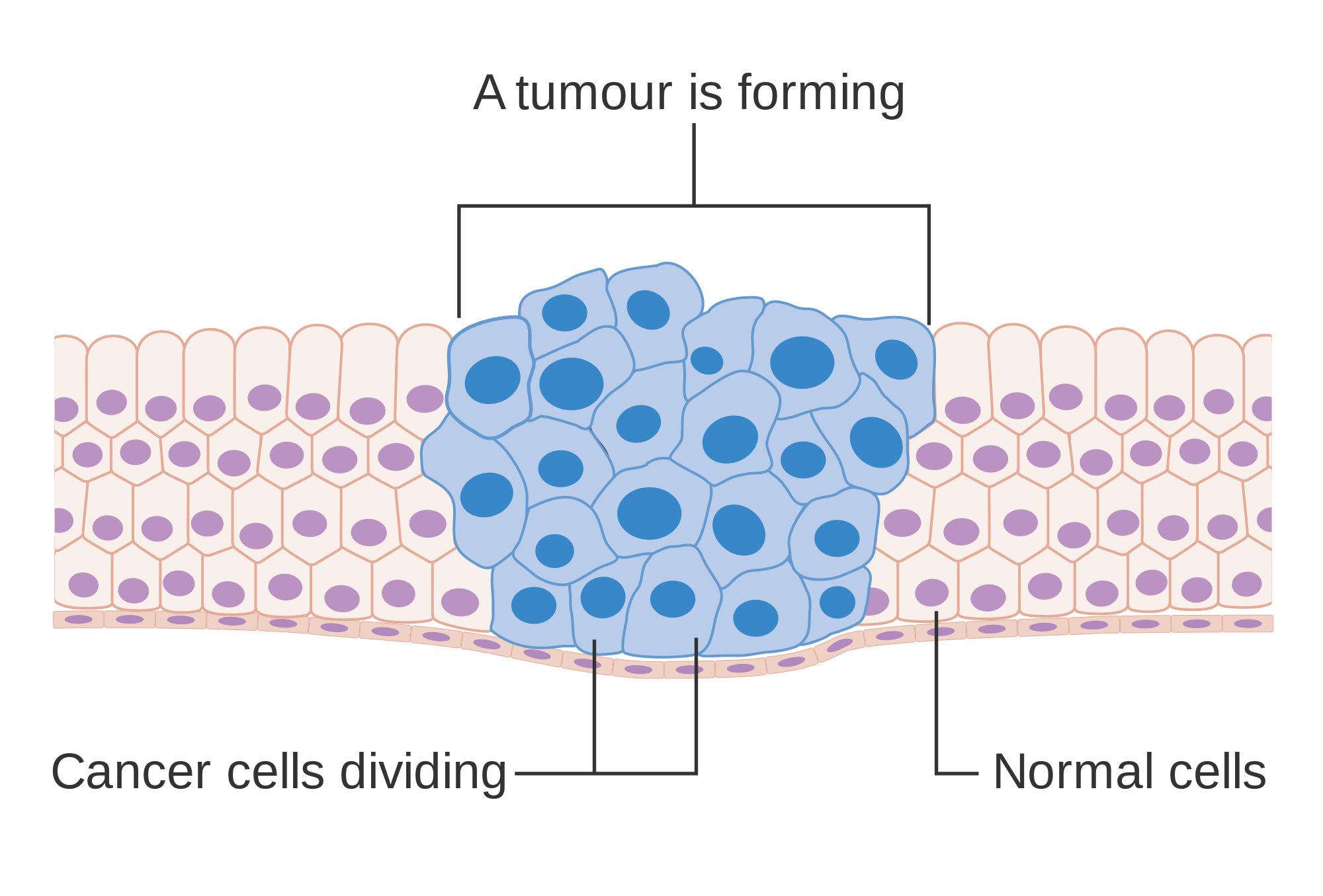
Cambridge researchers have discovered how cancerous tumours protect themselves from an attack from the body’s immune system. The Babraham Institute is now working with American researchers to find out how it can prepare cancer patient’s immune systems to fight back.
Monday, 17 October 2016
Relic belonging to Saint Thomas Becket may have been found in Cambridge University Library
A Librarian at Corpus Christi College believes he’s found a relic belonging to English Saint Thomas Becket. The martyred archbishop’s personal book of psalms, which, it’s said, he was holding when he was murdered became a rare example of a book being used as a relic.


Saturday, 15 October 2016
New technology for treating malaria infected blood could save lives in sub-Saharan Africa
Transfusing blood to patients in sub-Saharan carriers a high risk of transmitting malaria, especially to young children. But now a technology has been developed to treat donated blood with Vitamin B and UV radiation. This is down to a collaboration between the Komfo Anokye Teaching Hospital in Kumasi, Ghana and the Department of Haemotology at the University of Cambridge:


Tuesday, 11 October 2016
The Day They Nearly Banned The Bomb
30 years ago today, Ronald Reagan and Mikhail Gorbachev almost agreed to completely get rid of their countries' nuclear weapons in a small room in Reykjavik, Iceland. But one word prevented them from doing so, much to the relief of many of their advisors and Cold War allies. The meeting was initially thought to be a failure but Professor David Reynolds (University of Cambridge and Dr Kristina Spohr (LSE) say it was actually part of a process that helped end the Cold War peacefully. They make this argument in their new book 'Transcending the Cold War: Summits, Statecraft, and the Dissolution of Bipolarity in Europe, 1970-1990.' Cambridge audiences will also be able to meet both of these Historians as part of the Festival of Ideas on the 26th October, at their talk, 'The Day They Nearly Banned The Bomb'
 Images courtesy of the Reagan Library

Sunday, 9 October 2016
Adam Page's Video Showreel and Portfolio
Showreel
How the world looked through a dinosaurs eyes:
Bibles during World War One
How you can get sand to 'sing:'
Murder Trial Verdict at Cambridge Crown Court:
Imperial War Museum Duxford's Flying Airshow 2016:
A Cambridge University spin-out has created a device that can trace the progress of cancer and Alzheimer’s Disease with a simple blood test:
Junior Doctors Strike at Addenbrooke's Hospital:
Cam Sight Exhibition at Cambridge Guildhall:
Long jump for dogs:
(yes it's probably the most fun I've had with a camera)
Portfolio
Cambridge Science Centre watch Tim Peake blast off:
How the world looked through a dinosaurs eyes:
Bibles during World War One
How you can get sand to 'sing:'
Murder Trial Verdict at Cambridge Crown Court:
A Cambridge University spin-out has created a device that can trace the progress of cancer and Alzheimer’s Disease with a simple blood test:
Junior Doctors Strike at Addenbrooke's Hospital:
Cam Sight Exhibition at Cambridge Guildhall:
Long jump for dogs:
(yes it's probably the most fun I've had with a camera)
Subscribe to:
Posts (Atom)